From the camellia oil of Japan to the coconut oils of India and the innovative serums of Korea, Asian hair oils offer specialized nourishment that can transform even the most damaged strands.
But with so many options available, finding the right Asian hair oil for your specific hair type and concerns can feel overwhelming.
In this comprehensive guide, we’ll explore the rich traditions behind Asian hair oils, break down the unique needs of different hair types, and help you discover the perfect oil to achieve that coveted glass-like shine.
Whether you’re dealing with dryness, frizz, or heat-styling damage, there’s an Asian hair oil formulated to address your specific concerns.
Understanding Asian Hair Needs
Asian hair is often characterized by several distinct traits that influence how it responds to different hair care products. Understanding these characteristics is essential to finding the right oil for your hair.
Common Characteristics of Asian Hair
- Thicker individual strands can make hair feel heavier
- Lower porosity, meaning oils and moisture don’t penetrate as easily
- Naturally straight or slightly wavy texture for many (though not all) Asians
- Prone to dryness, especially at the ends, despite an oily scalp
- Susceptible to frizz in humid conditions
These traits mean that Asian hair often requires specialized care to maintain its health and shine. Environmental factors like humidity, pollution, and UV exposure can further stress hair, as can styling practices like heat styling, coloring, and chemical treatments.
The right hair oil can address these concerns by providing balanced moisture without weighing hair down, protecting against environmental damage, and enhancing natural shine.
But not all oils are created equal, and finding the perfect match depends on understanding both your hair’s needs and the unique properties of different Asian hair oils.
Key Ingredients to Look For in Asian Hair Oils
Asian hair care traditions have utilized natural oils for centuries, each with specific benefits for different hair concerns. Understanding these key ingredients will help you identify which oils will work best for your particular needs.
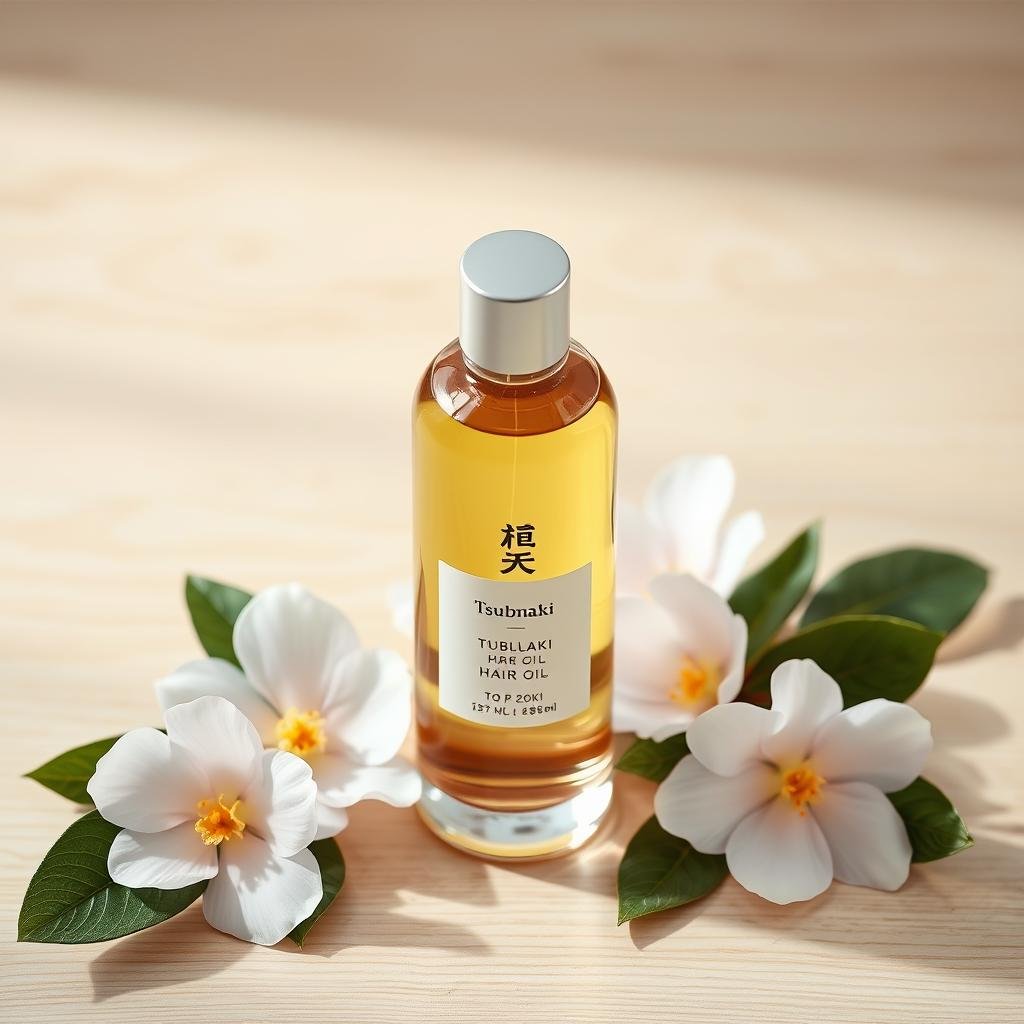
Camellia Oil (Tsubaki)
A Japanese beauty staple, camellia oil is lightweight yet deeply nourishing. Rich in oleic acid and vitamins A, B, D, and E, it penetrates the hair shaft without leaving residue.
Best for: Adding shine, reducing frizz, and protecting against heat damage without weighing hair down.
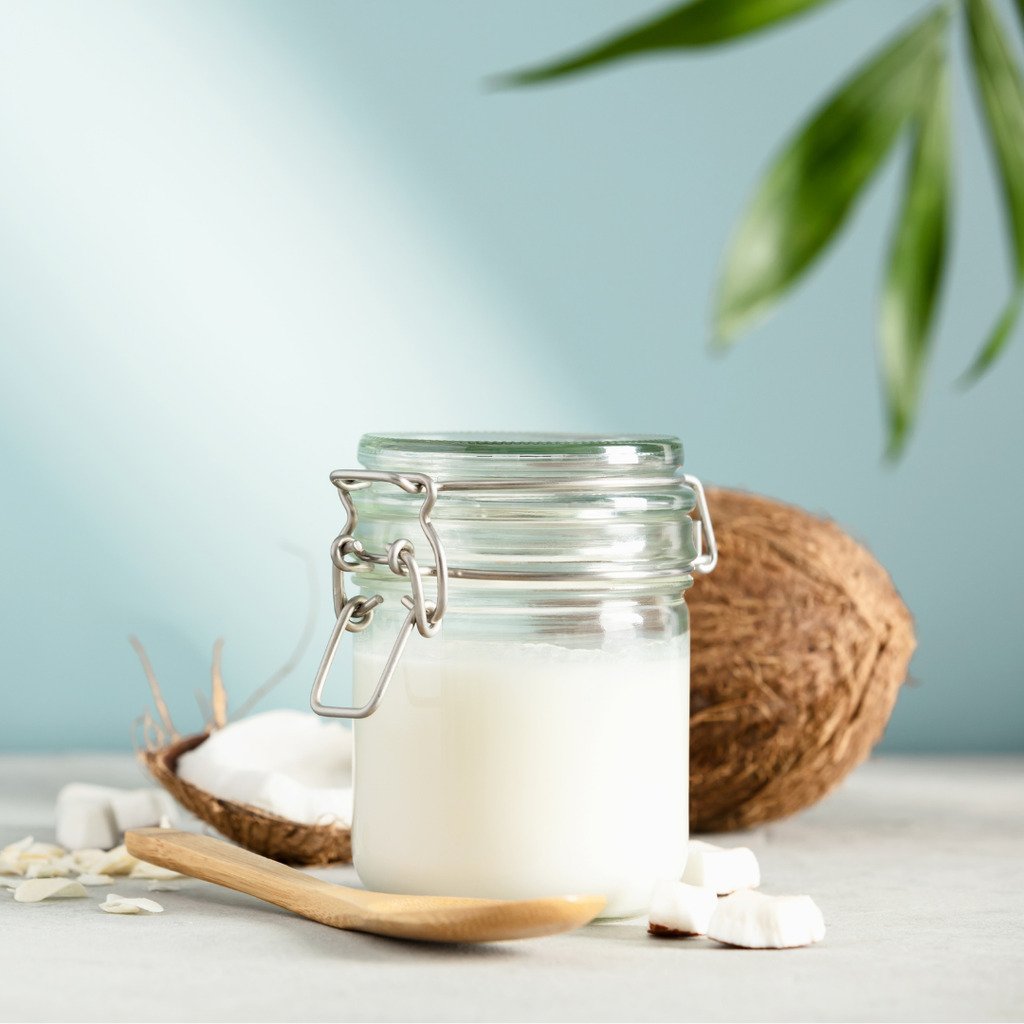
Coconut Oil
A staple in Indian hair care, coconut oil is one of the few oils that can penetrate the hair shaft. Its lauric acid content helps reduce protein loss and strengthen hair from within.
Best for: Deep conditioning, repairing damage, and preventing breakage in dry or color-treated hair.
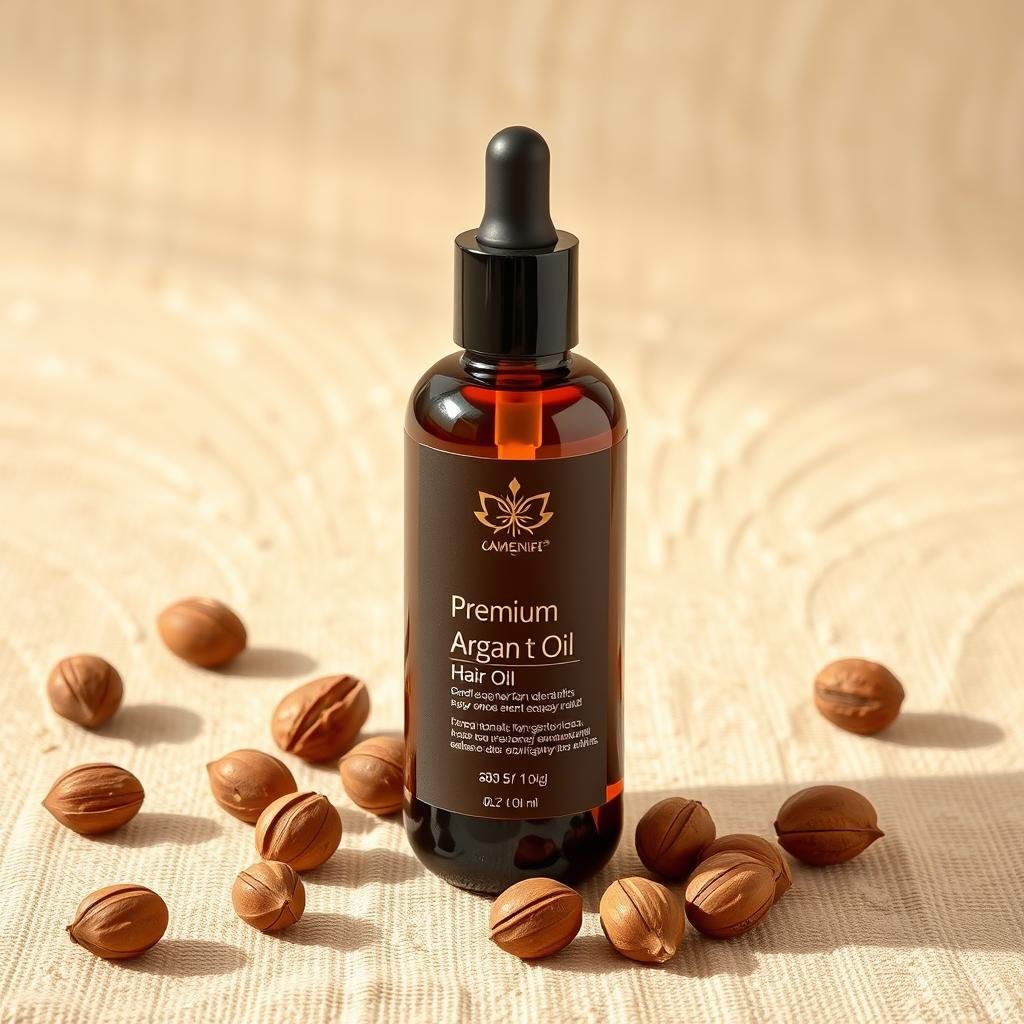
Argan Oil
Often found in Korean hair serums, argan oil is packed with antioxidants, vitamin E, and fatty acids. It creates a protective barrier around the hair shaft while adding shine.
Best for: Taming frizz, adding shine, and protecting against heat styling and environmental damage.
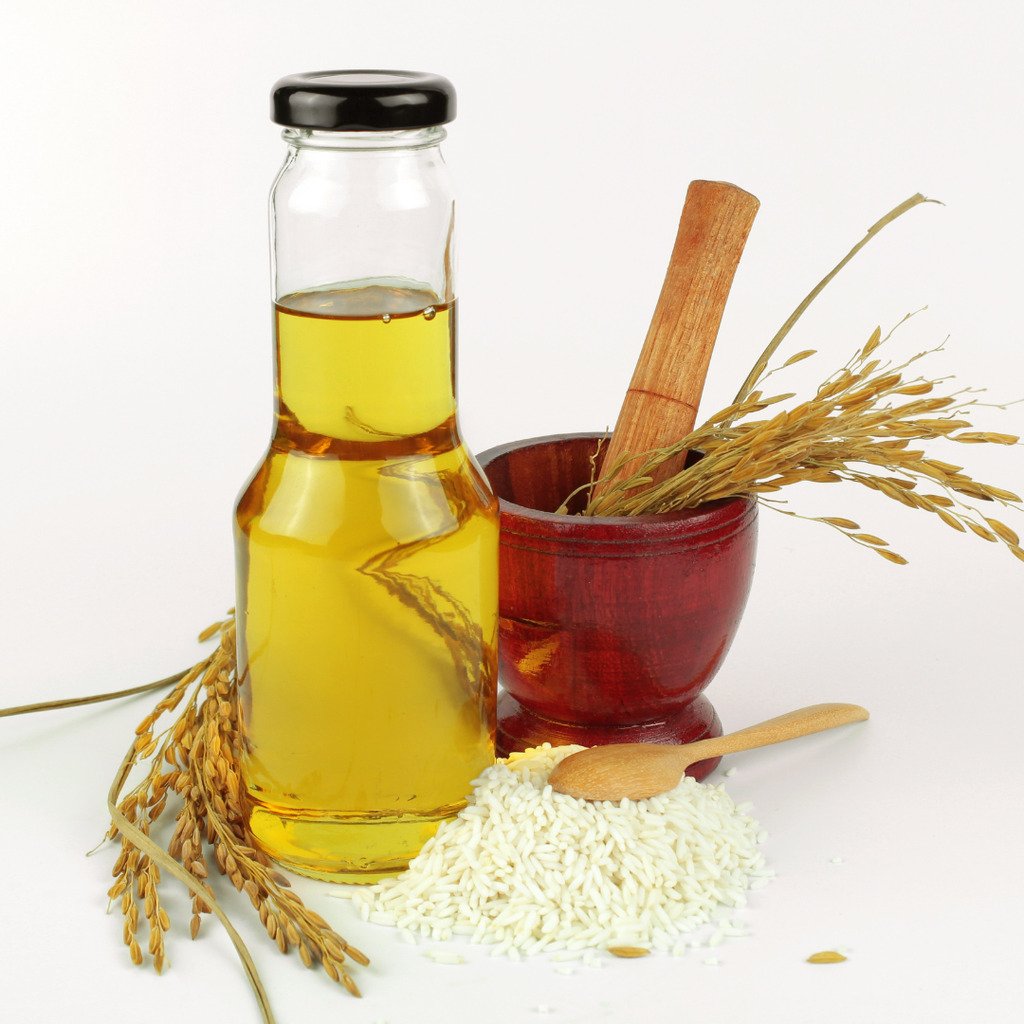
Rice Bran Oil
A traditional Japanese ingredient, rice bran oil is rich in antioxidants, vitamins, and fatty acids. It helps strengthen the hair cuticle and adds a natural sheen.
Best for: Strengthening weak hair, smoothing the cuticle, and adding lightweight shine to fine hair.
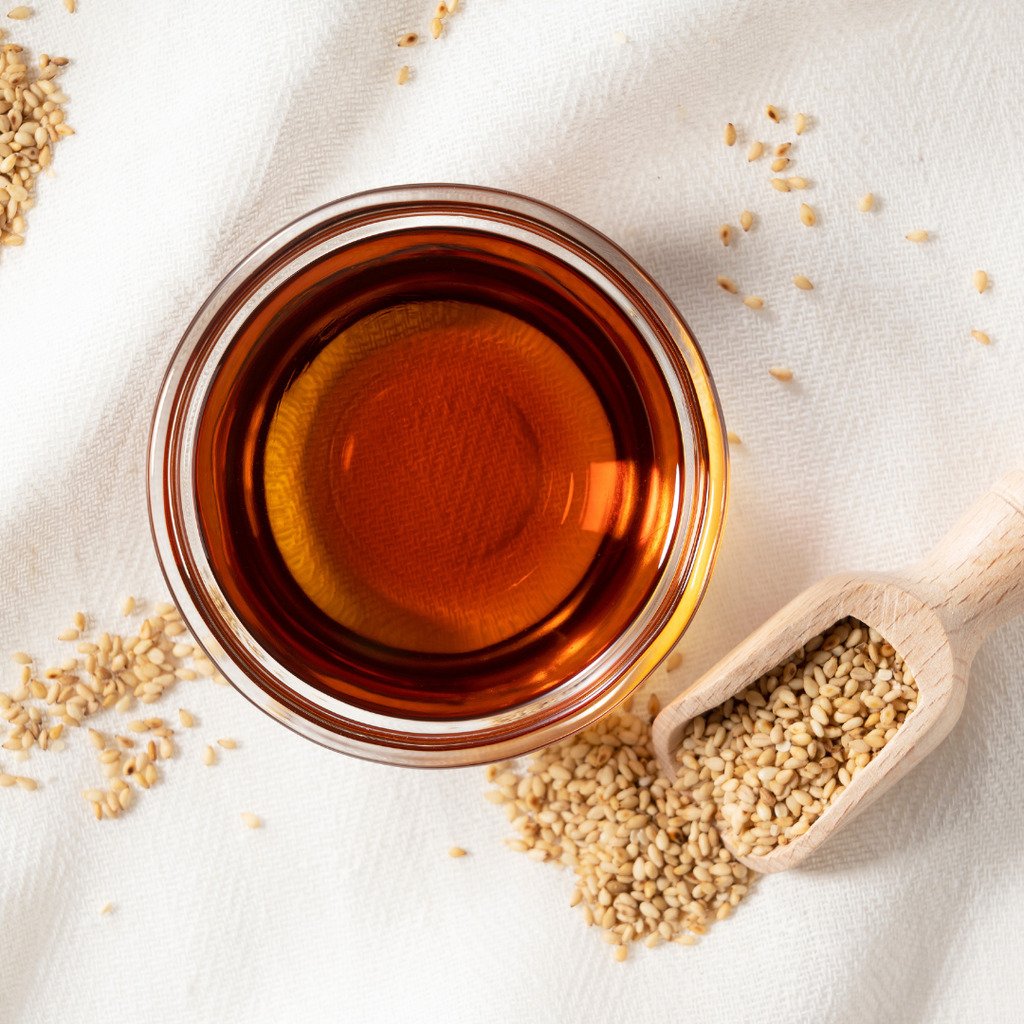
Sesame Oil
Popular in Ayurvedic hair care, sesame oil is warming and penetrating. It’s rich in minerals, vitamin E, and B complex vitamins that nourish the scalp and promote circulation.
Best for: Stimulating the scalp, promoting hair growth, and treating dry, itchy scalp conditions.
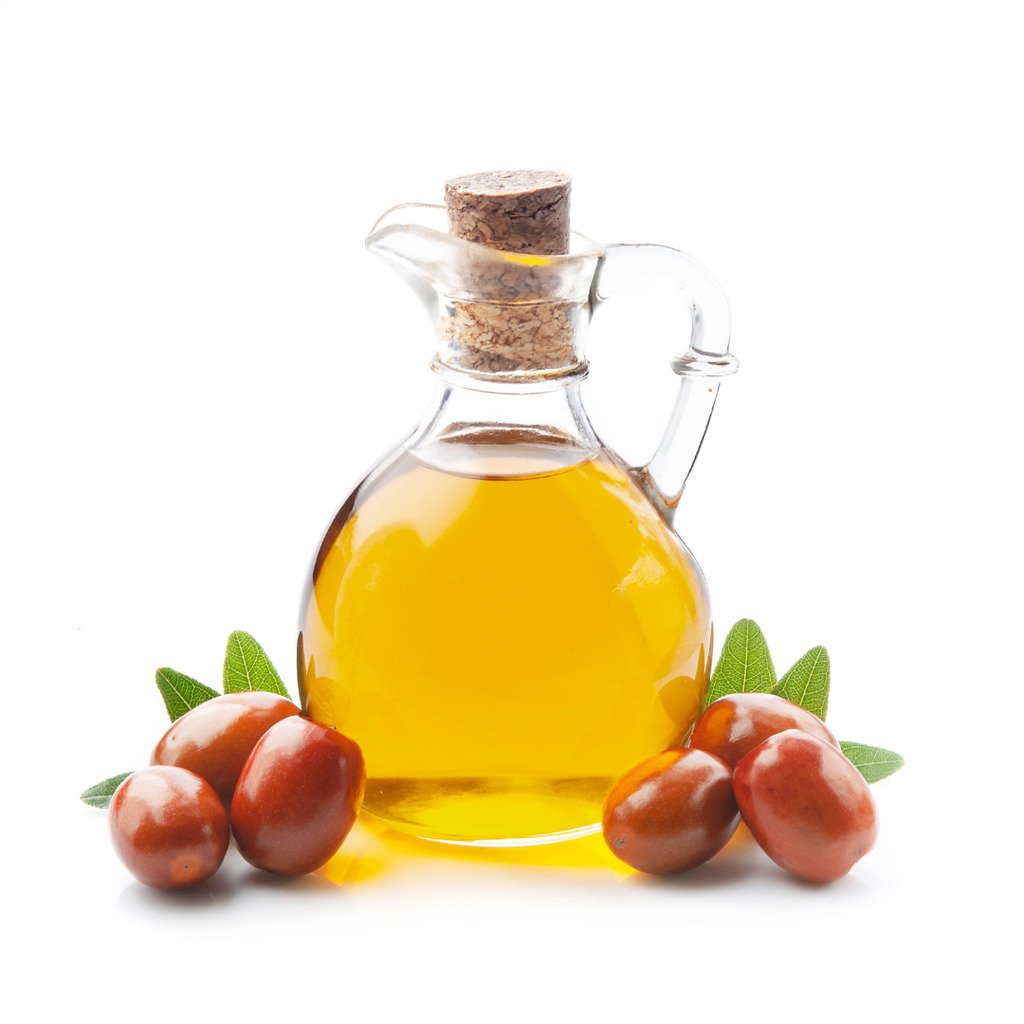
Jojoba Oil
Though not originally Asian, jojoba oil is now commonly found in Korean hair serums. Its molecular structure closely resembles our scalp’s natural sebum, making it excellent for balancing oil production.
Best for: Balancing oily scalps, moisturizing without greasiness, and adding lightweight hydration.
Choosing the Right Oil for Your Hair Type
Finding the perfect Asian hair oil starts with understanding your specific hair type and concerns. Different oils offer varying benefits, and matching them to your hair’s needs will ensure the best results.
| Hair Type | Common Concerns | Recommended Oils | Oils to Avoid |
| Fine Hair | Easily weighed down, lacks volume, quick to appear greasy | Camellia oil, Rice bran oil, Lightweight jojoba oil | Coconut oil, Heavy sesame oil, Castor oil |
| Thick/Coarse Hair | Dryness, frizz, difficult to manage | Coconut oil, Argan oil, Sesame oil | Very lightweight oils that don’t provide enough moisture |
| Color-Treated Hair | Dryness, damage, color fading | Argan oil, Jojoba oil, Camellia oil | Oils without UV protection |
| Oily Scalp/Dry Ends | Greasy roots, brittle ends, imbalanced moisture | Jojoba oil (scalp), Argan oil (ends), Rice bran oil | Heavy oils applied to the scalp |
| Damaged/Brittle Hair | Breakage, split ends, lack of elasticity | Coconut oil, Argan oil, Blend of nourishing oils | Mineral oil (can block moisture absorption) |
Special Considerations for Asian Hair
Even within the broad category of “Asian hair,” there’s significant variation. Southeast Asian hair may differ from East Asian hair, and individual factors like porosity and density play important roles too.
“The key is to start with less product than you think you need. Asian hair can easily look greasy if too much oil is applied. You can always add more, but it’s harder to remove excess.”
For those with low porosity hair (common in many Asians), warming the oil slightly before application can help it penetrate better. Additionally, applying oil to slightly damp hair rather than completely dry hair can improve absorption.
How to Apply Hair Oil Correctly
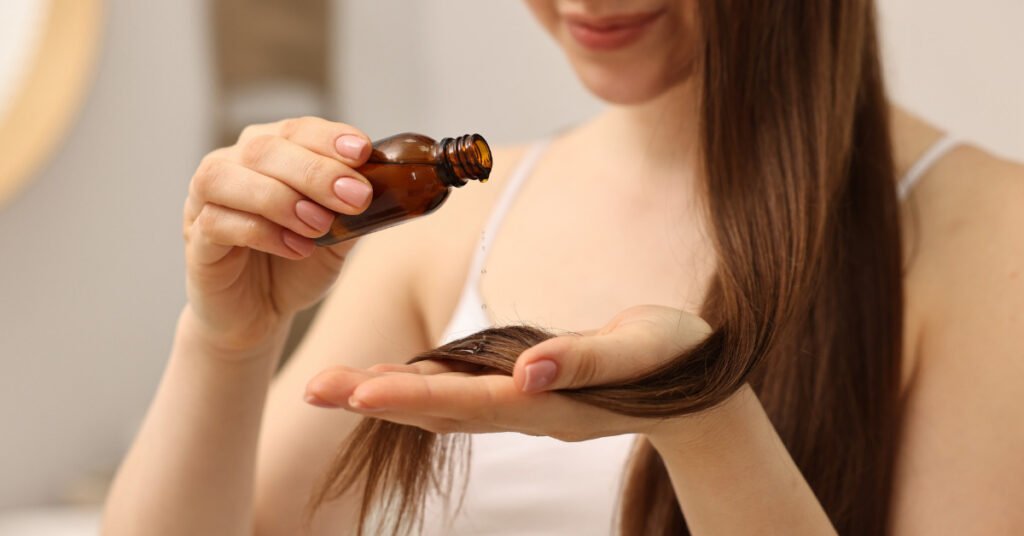
Proper application technique is crucial for getting the most benefits from your hair oil
Even the highest quality Asian hair oil won’t deliver results if applied incorrectly. Follow these steps to maximize benefits while avoiding greasy buildup:
Step-by-Step Application Guide
- Start with the right amount: For most Asian hair types, 2-3 drops is sufficient for medium-length hair. Fine hair may need just 1-2 drops, while very thick or long hair might require 4-5 drops.
- Warm the oil: Rub the oil between your palms to warm it, which helps it spread more evenly and penetrate better.
- Focus on ends first: Apply to the ends of your hair where dryness and damage are most common.
- Work upward: Gradually work any remaining oil up toward the mid-lengths, avoiding the roots unless you have a very dry scalp.
- Comb through: Use a wide-tooth comb to distribute the oil evenly through your hair.
Different Application Methods for Different Needs
For Deep Treatment
Apply a generous amount of oil (coconut or sesame works well) to dry hair, focusing on the scalp and lengths. Massage gently, then cover with a shower cap or warm towel. Leave for 30 minutes to overnight before shampooing thoroughly.
For Daily Styling
Apply a tiny amount of lightweight oil (camellia or argan) to damp or dry hair, focusing on the ends and mid-lengths. This helps control frizz, add shine, and protect against environmental damage.
For Scalp Treatment
Divide hair into sections and apply oil (sesame or jojoba) directly to the scalp using a dropper. Massage gently for 5-10 minutes to stimulate circulation before shampooing.
For Heat Protection
Apply a small amount of argan or camellia oil to damp hair before blow-drying or using heat styling tools. This creates a protective barrier against heat damage.
Pro Tip: If you accidentally apply too much oil, don’t wash it out immediately. Instead, take a small amount of dry shampoo or baby powder, rub it between your hands, and gently work it through your hair to absorb the excess oil.
Recommended Tools for Application
- Scalp massager: Enhances blood circulation and helps distribute oil evenly on the scalp
- Wide-tooth comb: Helps distribute oil through hair without causing breakage
- Dropper or pump dispenser: Controls the amount of oil dispensed to prevent overuse
- Silk or satin scarf: Protects bedding when doing overnight treatments
Editor’s Top Picks: Best Asian Hair Oils
After extensive research and testing, we’ve identified the top Asian hair oils that deliver exceptional results for different hair types and concerns. These products combine traditional ingredients with modern formulations to provide maximum benefits.
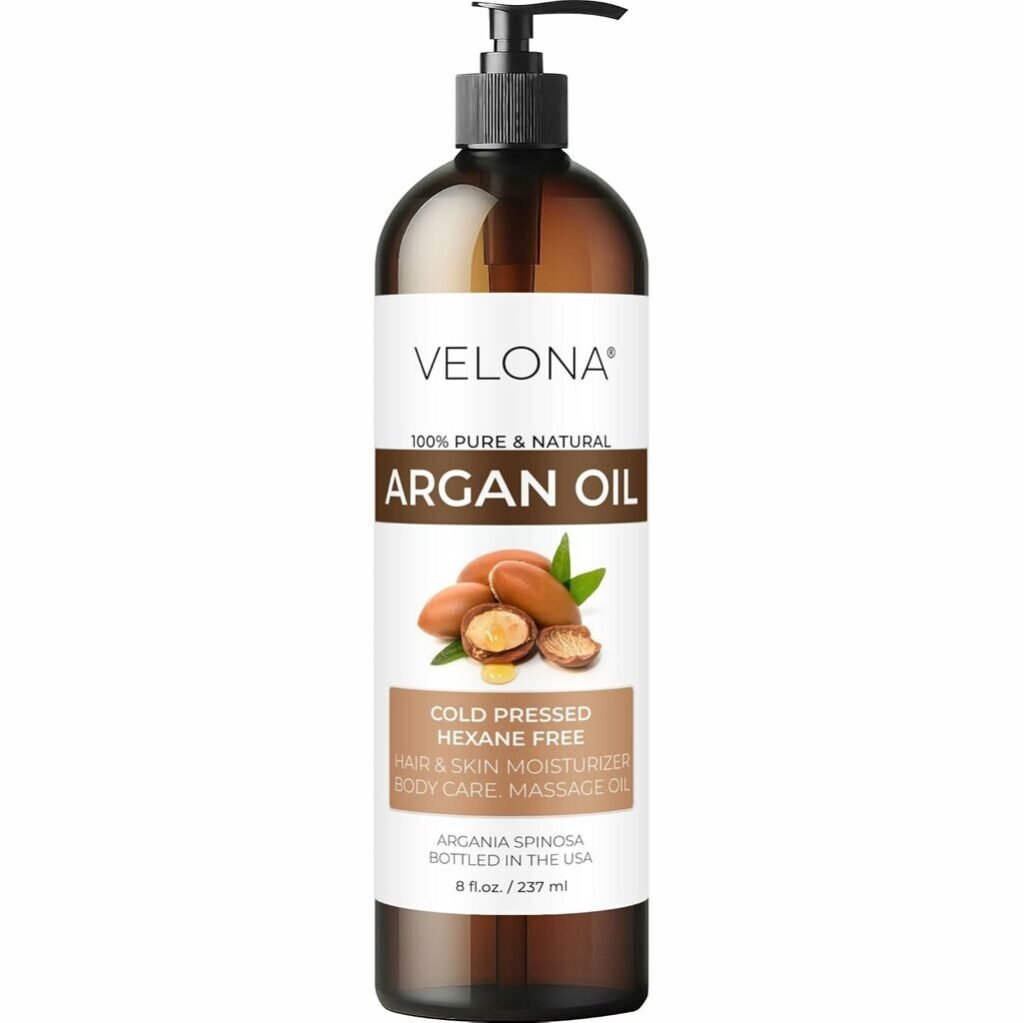
Best for Shine: velona Argan Oil
This luxurious Moroccan hair oil harnesses the power of pure argan oil, cherished for its nourishing and restorative properties. Lightweight yet deeply hydrating, it leaves hair silky and radiant with a natural, mirror-like shine. The fast-absorbing formula smooths frizz while protecting against heat and environmental stress.
Pros
- Exceptionally lightweight
- Creates mirror-like shine
- Pleasant, subtle fragrance
- Non-greasy formula
Cons
- Premium price point
- May not be moisturizing enough for very dry hair
Best for: Fine to medium hair types looking for shine without weight
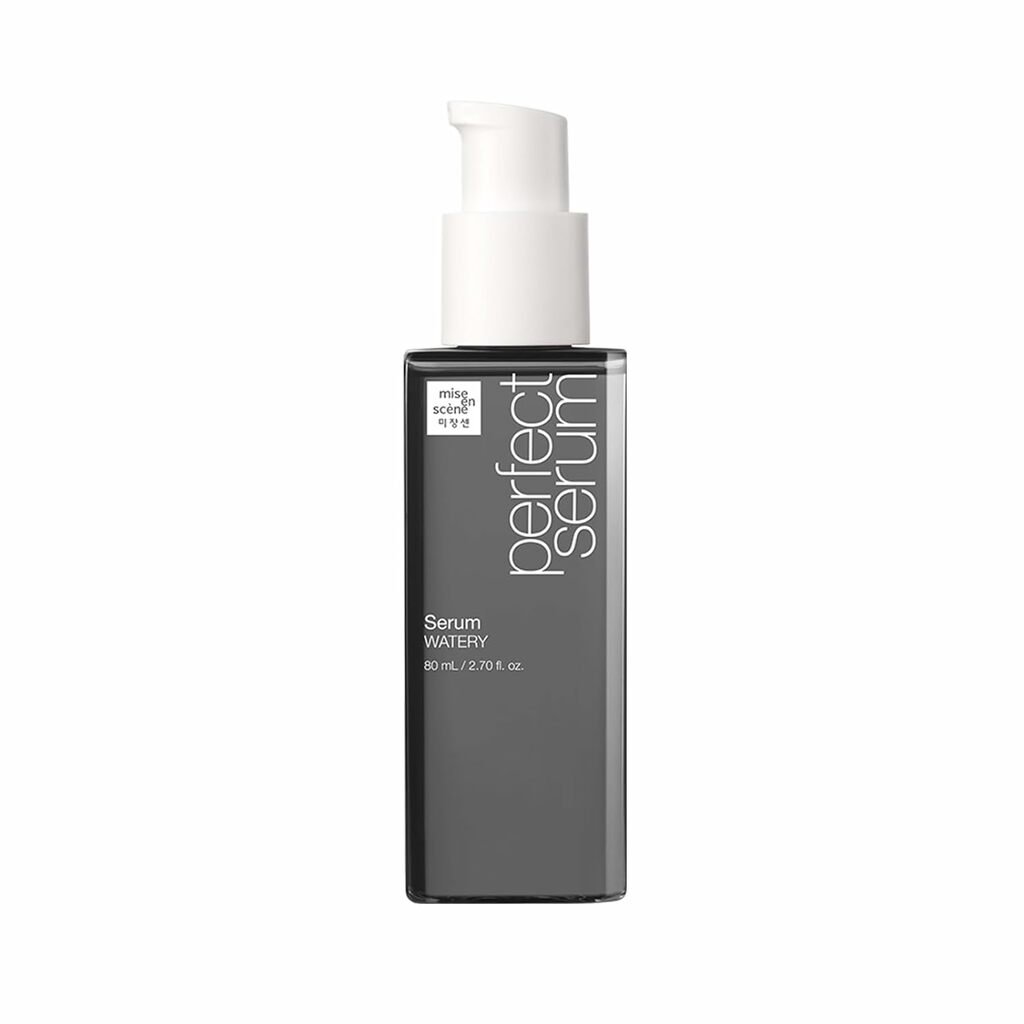
Best for Frizz Control: Mise-en-Scène Perfect Serum
Korea’s best-selling hair serum combines seven natural oils including argan, camellia, and jojoba to create a powerful frizz-fighting formula. It’s beloved by K-pop stars for its ability to create smooth, manageable hair even in humid conditions.
Pros
- Superior frizz control
- Blend of 7 nourishing oils
- Provides heat protection
- Affordable price point
Cons
- Fragrance may be strong for some
- Can feel heavy if over-applied
Best for: Medium to thick hair prone to frizz and flyaways
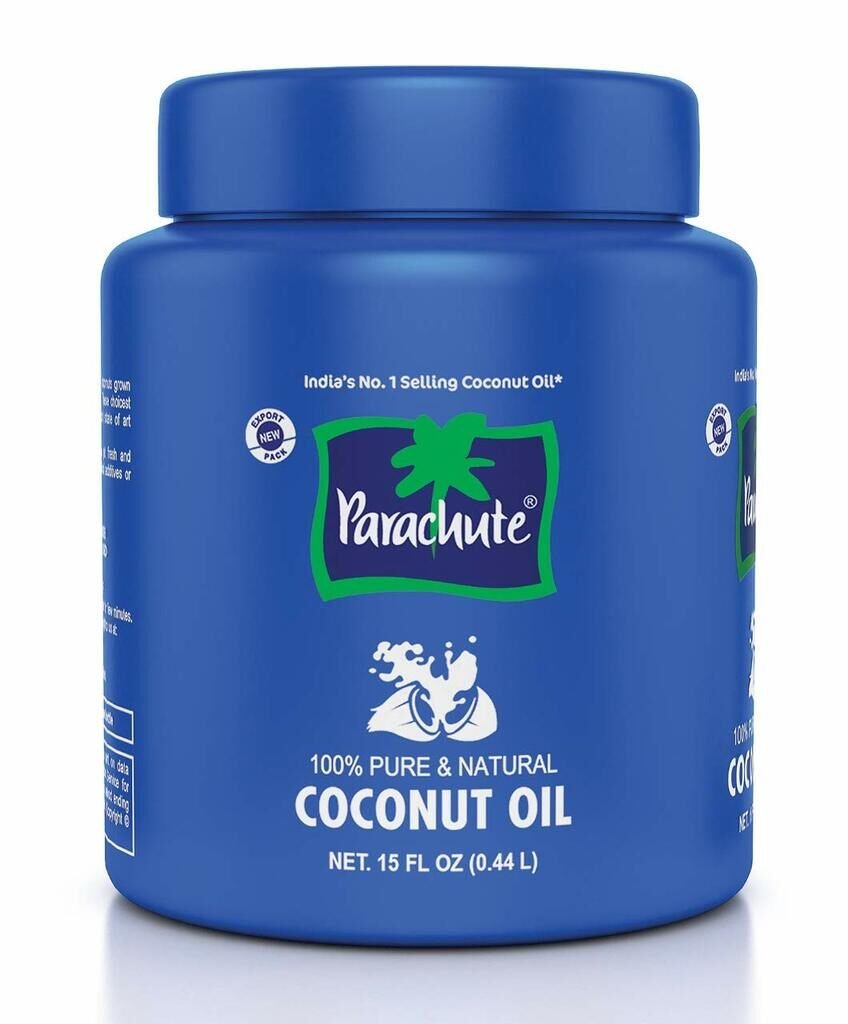
Best for Deep Conditioning: Parachute 100% Pure Coconut Oil
This 100% pure coconut oil from India is a multi-purpose hair savior that’s been used for generations. Its unique molecular structure allows it to penetrate the hair shaft, providing deep conditioning and preventing protein loss. Perfect for pre-shampoo treatments and overnight masks.
Pros
- 100% natural single ingredient
- Deeply penetrates hair shaft
- Prevents protein loss
- Extremely affordable
Cons
- Too heavy for daily use on fine hair
- Solidifies at room temperature
Best for: Dry, damaged, or color-treated hair needing intensive repair
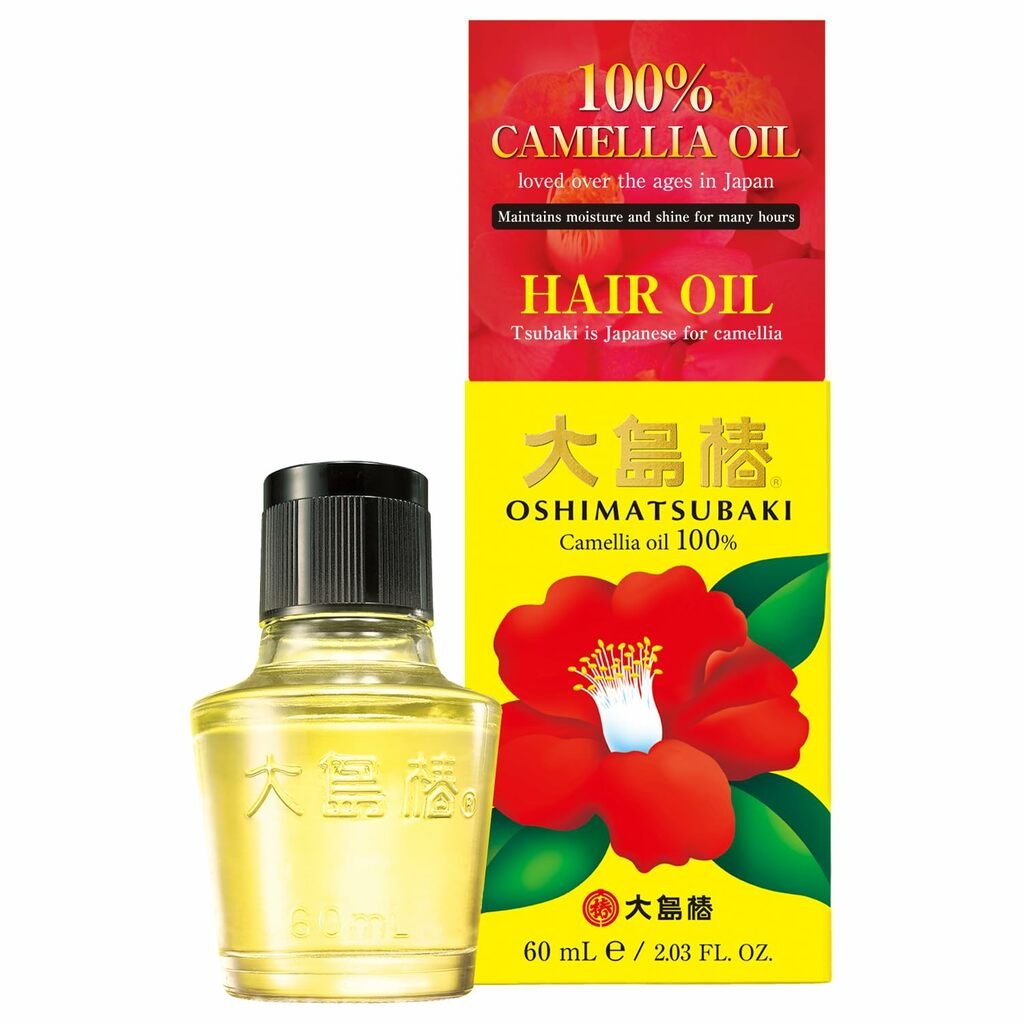
Best Pure Oil: Oshima Tsubaki Camellia Hair Care Oil
This minimalist Japanese product contains 100% pure camellia oil harvested from Oshima Island. With no additives or fragrances, it’s the purest form of this traditional Japanese beauty oil. Its lightweight texture makes it perfect for daily use on all hair types.
Pros
- Single-ingredient purity
- No artificial fragrances
- Multi-purpose (hair, skin, nails)
- Rich in antioxidants
Cons
- Higher price point
- May not provide enough moisture for very dry hair
Best for: Sensitive scalps and those who prefer pure, fragrance-free products
DIY Asian Hair Oil Blend for Natural Hair Lovers
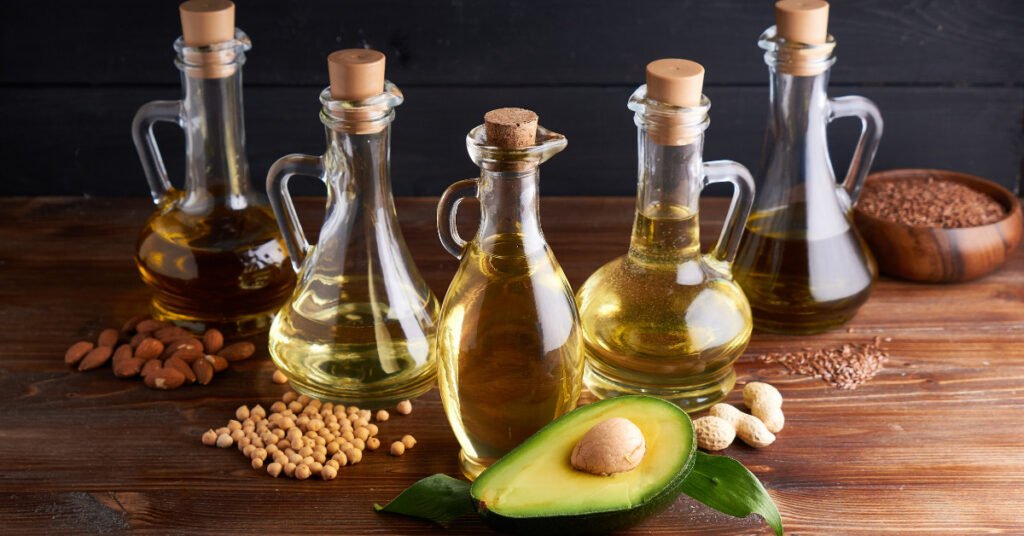
If you prefer a more natural approach or want to customize your hair oil to address specific concerns, creating your own Asian-inspired hair oil blend is simple and effective. This DIY recipe combines traditional Asian ingredients for a nourishing treatment.
Simple DIY Asian Hair Oil Recipe
Ingredients:
- 3 tablespoons coconut oil (base oil, deeply penetrating)
- 1 tablespoon sesame oil (stimulates scalp)
- 1 teaspoon rice bran oil (adds shine)
- 5 drops rosemary essential oil (optional, for scalp health)
- 3 drops lavender essential oil (optional, for scent)
Instructions:
- Gently warm the coconut oil until just melted (not hot).
- Add the sesame oil and rice bran oil, stirring to combine.
- Allow to cool slightly, then add essential oils if using.
- Transfer to a clean, dark glass bottle for storage.
- Store in a cool, dark place for up to 3 months.
How to Use:
Apply to dry hair as a pre-shampoo treatment, focusing on the scalp and lengths. Leave for 30 minutes to overnight before shampooing thoroughly. Use once a week for best results.
Important: Always perform a patch test before using any new DIY hair treatment, especially if you’ve added essential oils. Apply a small amount to your inner wrist and wait 24 hours to check for any adverse reactions.
Customizing Your DIY Blend
You can adjust this basic recipe to address specific hair concerns:
For Dry, Damaged Hair
Increase the coconut oil to 4 tablespoons and add 1 teaspoon of honey for extra moisture and conditioning.
For Scalp Issues
Increase sesame oil to 2 tablespoons and add 3 drops of tea tree essential oil for its antimicrobial properties.
For Fine Hair
Reduce coconut oil to 1 tablespoon and increase rice bran oil to 2 tablespoons for a lighter blend that won’t weigh hair down.
For Growth Stimulation
Add 1 teaspoon of castor oil and increase rosemary essential oil to 8 drops to help stimulate the hair follicles.
Frequently Asked Questions About Asian Hair Oils
Can I leave Asian hair oil overnight?
Yes, many Asian hair oils can be left overnight for deep conditioning. Coconut oil, sesame oil, and some specialized treatment oils are ideal for overnight use. However, lightweight oils like camellia or argan are better used as leave-in treatments or styling products rather than overnight masks. If you do use oil overnight, protect your pillowcase with a silk scarf or use a silk pillowcase.
How often should I oil Asian hair?
The frequency depends on your hair type and the oil you’re using. For deep conditioning treatments with heavier oils like coconut or sesame, once a week is typically sufficient. Lightweight styling oils like camellia or argan can be used daily on the ends and mid-lengths. Those with very dry hair may benefit from more frequent oiling, while those with fine or oily hair should use oils more sparingly.
Will hair oil make my Asian hair look greasy?
This depends on the type of oil, amount used, and application technique. Asian hair can look greasy if too much oil is applied, especially near the roots. Start with a small amount (2-3 drops for medium-length hair) and focus on the ends first. Lightweight oils like camellia and argan are less likely to create a greasy appearance than heavier oils like coconut.
Can hair oils help with hair growth?
While no oil can directly cause hair to grow faster, certain oils can create optimal conditions for healthy growth. Oils that nourish the scalp and improve circulation, like sesame oil, may help support the hair growth cycle. Additionally, oils that prevent breakage, like coconut oil, can help hair appear to grow longer by reducing damage and split ends.
Are Asian hair oils different from Western hair oils?
Asian hair oils often feature ingredients with long histories in traditional Asian beauty practices, such as camellia oil, rice bran oil, and specific herbal extracts. They’re frequently formulated with Asian hair types in mind, which tend to be thicker and less porous. Many Asian hair oil products also emphasize lightweight textures that won’t weigh down hair while still providing nourishment.
Final Thoughts: Making Oil Part of Your Weekly Routine
Incorporating Asian hair oil into your regular hair care routine can transform your hair’s health, appearance, and manageability.
Whether you choose a traditional single-ingredient oil like camellia or coconut, a modern Korean serum blend, or create your own DIY mixture, consistent use is key to seeing results.
Remember that finding the right oil for your specific hair type and concerns may require some experimentation. Start with small amounts, pay attention to how your hair responds, and adjust accordingly. The perfect oil should leave your hair feeling soft, looking shiny, and becoming healthier over time—never greasy or weighed down.
By embracing these centuries-old Asian beauty traditions and adapting them to your modern hair care routine, you can achieve the lustrous, healthy hair that has long been admired in Asian cultures.
Your hair’s transformation begins with finding the right Asian hair oil for your unique needs.
Ready to Transform Your Hair?
Discover your perfect Asian hair oil and start your journey to healthier, more beautiful hair today.