The ancient practice of gua sha has found its way into modern skincare routines, offering a natural approach to facial sculpting and skin health.
Originating in traditional Chinese medicine centuries ago, this technique has evolved from a healing modality into a beloved beauty ritual.
While scientific evidence for some claims remains limited, the gentle massage and circulation benefits make gua sha a worthwhile complement to your skincare regimen.
In this comprehensive guide, we’ll explore how to properly incorporate gua sha into your routine, the benefits you can expect, and which tools might work best for your specific needs.
What Is Gua Sha?
Gua sha (pronounced gwah-shah) translates roughly to “scraping” in Chinese.
Traditionally, it was a body treatment used to relieve muscle tension and promote healing through the deliberate application of pressure with a smooth-edged tool.
When adapted for facial use, the technique becomes gentler—more of a gliding motion than scraping—but the fundamental principle remains: stimulating circulation and lymphatic drainage to promote health and vitality.
Unlike the body version, which often produces redness (called “sha”), facial gua sha uses lighter pressure and focuses on the delicate contours of the face.
The practice involves using a specially shaped stone tool—typically made from materials like jade, rose quartz, or stainless steel—to apply gentle pressure in specific patterns across the face and neck.
While gua sha has gained popularity through social media as a beauty trend, it’s important to understand its roots in traditional Chinese medicine and approach it with respect for its cultural origins.
When practiced correctly, it can be a meditative self-care ritual that benefits both skin appearance and overall well-being.
Benefits of Gua Sha for Skin
When incorporated into your skincare routine, gua sha offers several potential benefits:
- Promotes lymphatic drainage: The gentle pressure helps move stagnant lymph fluid, reducing puffiness and inflammation, especially around the eyes and jawline.
- Enhances microcirculation: By stimulating blood flow to facial tissues, gua sha helps deliver more oxygen and nutrients to skin cells, potentially improving complexion and softening fine lines.
- Relieves facial tension: Many of us hold tension in our facial muscles without realizing it. Gua sha can help release this tension, particularly in the jaw, brow, and temples.
- Creates a temporary sculpting effect: The combination of reduced puffiness and increased circulation can create more defined facial contours, especially along the cheekbones and jawline.
- Improves product absorption: The massage-like motion may help skincare products penetrate the skin more effectively.
When to Incorporate Gua Sha Into Your Routine
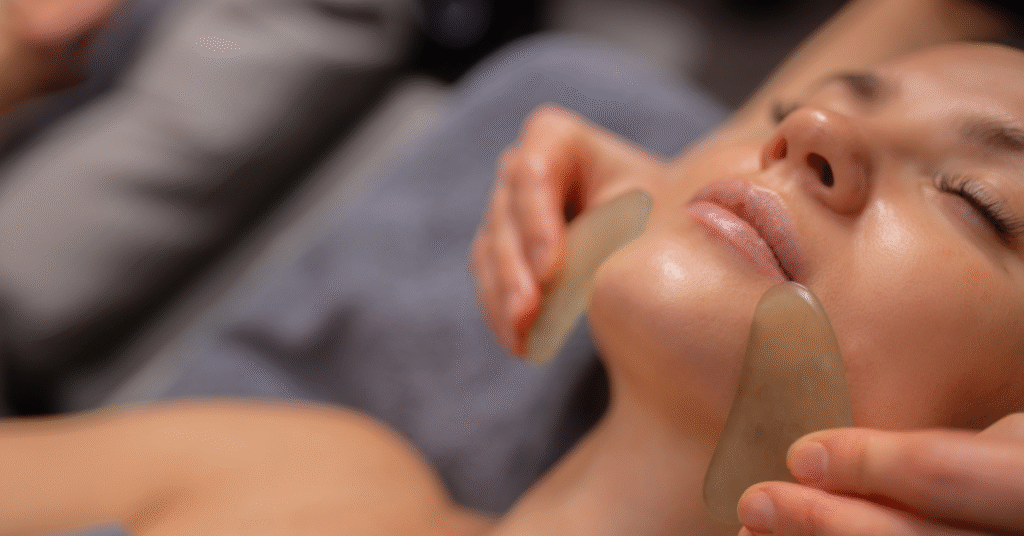
Timing matters when it comes to gua sha. Most skincare experts recommend using gua sha after applying facial oils or serums, as these products provide the necessary slip for the tool to glide smoothly across the skin without pulling or tugging.
Morning vs. Evening Gua Sha
Morning Benefits:
- Reduces overnight puffiness
- Stimulates circulation for a healthy glow
- Prepares skin for makeup application
- Sets a mindful tone for the day
Evening Benefits:
- Relieves tension accumulated throughout the day
- Enhances absorption of overnight treatments
- Creates a relaxing bedtime ritual
- May improve sleep quality by reducing stress
For beginners, start with 2-3 sessions per week and gradually increase frequency as your skin adjusts. Some enthusiasts practice gua sha daily, while others prefer to do it a few times a week. Listen to your skin—if you notice any irritation or sensitivity, reduce frequency or pressure.
Gua Sha Technique: Step-by-Step Guide
Proper technique is crucial for effective and safe gua sha practice. Follow these steps for the best results:
- Cleanse your face thoroughly to remove makeup, dirt, and excess oil.
- Apply a facial oil or serum to create slip. Your tool should glide smoothly without dragging the skin.
- Hold your gua sha tool at approximately a 15-30° angle (almost flat) against your skin.
- Begin at the neck, working upward with gentle strokes. Always move from the center outward and upward.
- Apply light to medium pressure, adjusting based on the area (lighter around eyes, firmer on jawline).
- Repeat each stroke 3-5 times before moving to the next area.
- Clean your tool after each use with mild soap and water, then dry thoroughly.
Gua Sha Mapping: Where and How to Stroke
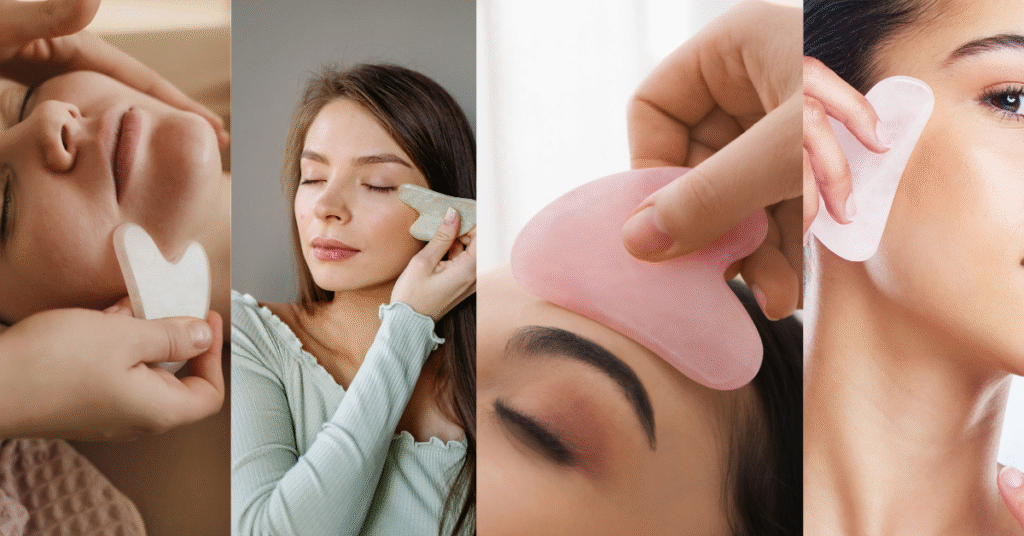
Neck and Jawline:
Start at the center of your neck, beneath your chin. Stroke outward and upward toward your earlobe. For the jawline, start at the center of your chin and move along your jawbone toward your ear.
Cheeks:
Begin at the side of your nose and stroke outward across your cheeks toward your temples. Use the curved side of your tool to follow the natural contours of your cheekbones.
Under-eye Area:
Use very light pressure here. Start at the inner corner of your eye and gently stroke outward toward your temple. The flat side of your tool works best for this delicate area.
Forehead:
Start between your eyebrows and stroke outward toward your temples. Then, move up your forehead with upward strokes from eyebrows to hairline.
“The key to effective gua sha isn’t pressure—it’s consistency and proper technique. Light, mindful strokes done regularly will yield better results than aggressive pressure applied occasionally.”
— David Peters, Chinese Medicine Expert
Common Gua Sha Mistakes to Avoid
Technique Errors
- Using too much pressure: Facial gua sha should never cause pain or bruising. Use gentle pressure that feels pleasant.
- Holding the tool at too steep an angle: Keep your tool almost flat against your skin (15-30° angle).
- Moving in the wrong direction: Always stroke upward and outward, never downward, to work against gravity.
- Skipping the neck: The neck is crucial for lymphatic drainage. Always start there and work upward.
Preparation Errors
- Using on dry skin: Always apply oil or serum first to create a smooth surface.
- Neglecting to clean your tool: Bacteria can accumulate on your gua sha tool. Clean it after each use.
- Using on irritated skin: Skip gua sha if you have active acne, rashes, sunburn, or open wounds.
- Rushing the process: Gua sha is meant to be slow and mindful. Take your time with each stroke.
How to Choose Your Gua Sha Tool
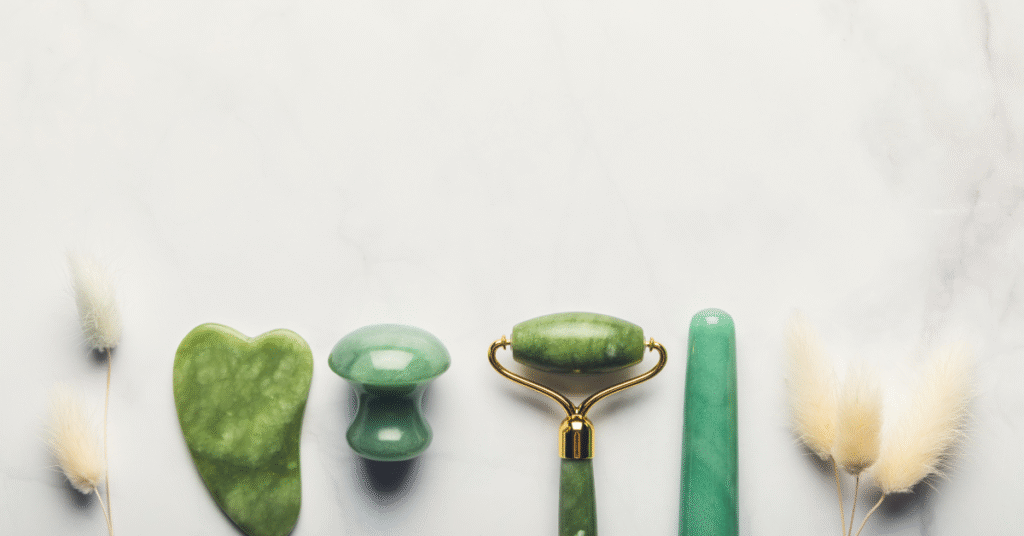
The right gua sha tool can make a significant difference in your experience and results. Consider these factors when selecting yours:
Material Considerations
Jade
Traditionally used in Chinese medicine, jade stays naturally cool and is believed to balance energy. It’s durable and suitable for all skin types, especially those prone to inflammation.
Rose Quartz
Slightly cooler than jade and stays cool longer. Often recommended for sensitive or reactive skin due to its gentle nature. Many find its pink hue aesthetically pleasing.
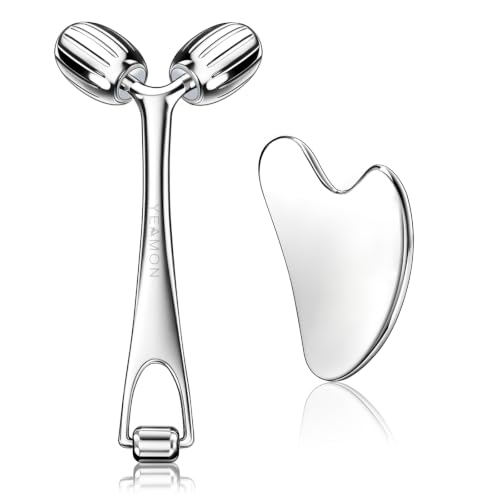
Stainless Steel
Modern alternative that stays extremely cool and is easy to sanitize. Ideal for those focused purely on the physical benefits rather than the energetic properties of stones.
Shape and Design
Gua sha tools come in various shapes, each designed for specific areas of the face:
- S-shaped tools: Versatile option with curves that fit different facial contours
- Heart-shaped tools: Good for cheeks and under-eye areas
- Comb-edged tools: Help with scalp stimulation and hairline areas
- Multi-angle tools: Offer different edges for various techniques and areas
Recommended Gua Sha Tools
Based on quality, design versatility, and user feedback, here are some top gua sha tools to consider for your skincare routine:
Find Your Perfect Gua Sha Tool
Explore our complete collection of premium gua sha tools in various materials and designs to elevate your skincare routine.


Sample Gua Sha Skincare Routines
Integrate gua sha seamlessly into your existing skincare regimen with these sample routines:
Morning Gua Sha Routine
- Cleanse face with a gentle cleanser
- Apply a hydrating toner or essence
- Apply 3-5 drops of lightweight facial oil
- Perform gua sha routine (5-10 minutes)
- Apply serum and moisturizer
- Finish with sunscreen
Pro tip: Store your gua sha tool in the refrigerator overnight for extra de-puffing benefits in the morning.
Evening Gua Sha Routine
- Double cleanse (oil cleanser followed by water-based cleanser)
- Apply treatment serums (vitamin C, peptides, etc.)
- Apply 5-7 drops of facial oil or balm
- Perform extended gua sha routine (10-15 minutes)
- Apply night cream or sleeping mask
Pro tip: Focus on areas that hold tension from the day, like the jaw and between the brows.
Complementary Practices to Enhance Your Gua Sha Results
While gua sha alone can provide noticeable benefits, combining it with these complementary practices can enhance your results:
- Proper hydration: Drink plenty of water to support lymphatic drainage and overall skin health.
- Quality sleep: Prioritize 7-8 hours of quality sleep to allow your skin to repair and regenerate.
- Facial exercises: Combine gua sha with facial yoga or exercises for enhanced muscle tone.
- Anti-inflammatory diet: Reduce processed foods, sugar, and alcohol, which can contribute to facial puffiness.
- Stress management: Practice meditation or deep breathing to reduce tension that can manifest in facial muscles.
Troubleshooting Common Gua Sha Concerns
Embracing Gua Sha as Part of Your Holistic Skincare Journey
Gua sha offers a beautiful blend of traditional wisdom and modern skincare benefits.
When practiced correctly and consistently, it can become a mindful ritual that not only enhances your skin’s appearance but also provides a moment of self-care in your busy day.
Remember that the most significant results come from gentle, regular practice rather than aggressive pressure or sporadic sessions.
As with any skincare practice, listen to your skin and adjust accordingly. What works for someone else may need to be modified for your unique needs.
Take before and after photos every few weeks to track your progress, and don’t be afraid to experiment with different tools, oils, and techniques until you find what works best for you.